Rust's #1 Farmer Challenge
You can order the same kind of articles for your own video to boost it on YouTube and Google. Just message the Telegram bot @sat_sit_bot. Articles with your video embedded are written and posted by the bot itself — on popular topical sites (no ads). Free trial — 50 articles.
· based on the channel JTeles
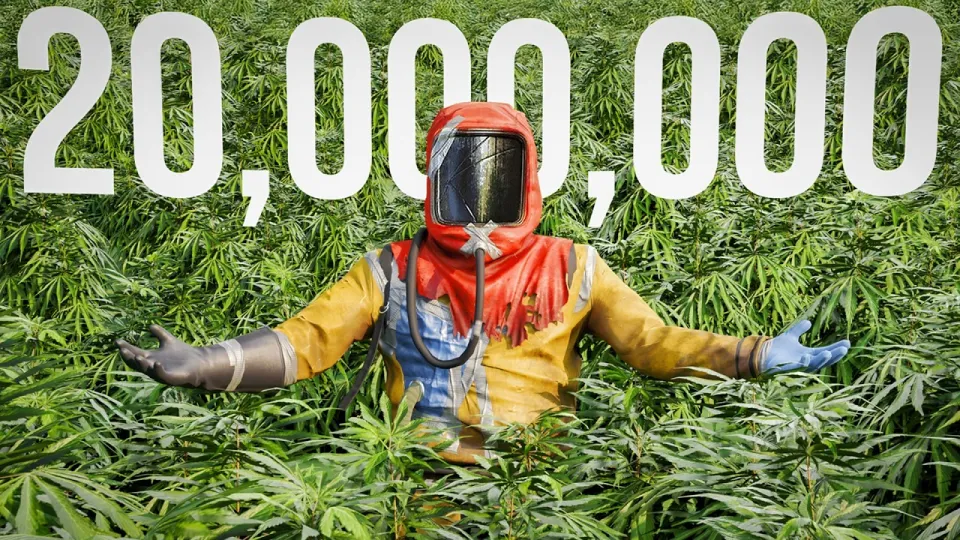
JTeles became Rust's #1 farmer by turning 126,000 cloth into 20,000,000 in a single wipe, building the biggest cloth farm in the game and defending it against a massive Russian clan. The challenge, documented in his video "I Became Rust's #1 Farmer...", spanned 7 days and involved insane PvP, raids, and alliances. If you want to support the channel and get in on the action, check out the War Thunder bonus link for free in-game rewards.
What Was the Goal of the 20 Million Cloth Challenge?
The goal was simple but daunting: start with 126,000 cloth and reach 20,000,000 cloth within one wipe cycle. JTeles invited viewers to join his server and help him construct the largest cloth farm Rust has ever seen. To achieve this, he needed to scale up production quickly, which meant planting and harvesting massive amounts of hemp. The farm's size eventually became so large that it caused server lag when rendered, a testament to its scale.
How Did JTeles Build the Biggest Cloth Farm in Rust?
Building the biggest cloth farm required meticulous planning and resource management. JTeles and his team started by securing a large area of land, then laid out hundreds of planter boxes and sprinklers. They used industrial automation to streamline planting and harvesting, but the sheer number of plants still demanded hours of manual labor. The farm's infrastructure included automated irrigation and storage systems to handle the massive output. Cable management was key to keeping the operation efficient, and viewers praised the clean setup. At its peak, the farm produced millions of cloth per harvest, but it also attracted unwanted attention.
Why Did a Russian Clan Try to Stop the Farm?
A massive Russian clan discovered JTeles's ambitious project and made it their mission to prevent him from finishing. They launched coordinated attacks, attempting to raid the base and disrupt farming operations. This led to intense PvP battles, base defense scenarios, and temporary alliances with other groups on the server. JTeles's clan members defended the compound around the clock, even when he was offline, showcasing exceptional teamwork. The conflict added a layer of unpredictability and excitement to the challenge, turning a farming endeavor into a full-scale server war.
What Were the Biggest Challenges During the 7-Day Wipe?
The main challenges included constant enemy pressure, resource management, and the sheer grind of farming. The clan had to balance expanding the farm with defending it, often splitting duties between farming and PvP. Server performance also became an issue; the massive farm caused lag spikes, especially when all plants were rendered. Additionally, JTeles had to coordinate with viewers who joined the server, ensuring they contributed effectively without causing chaos. Despite these hurdles, the team persevered, using strategies like offline defense and resource stockpiling to keep the project alive.
How Did Viewers and Clan Members Contribute to the Success?
Viewers played a crucial role by joining the server and helping with farming, construction, and defense. Many volunteered to take shifts guarding the base while JTeles slept, demonstrating dedication and teamwork. The clan members, some of whom were experienced players, provided essential support in PvP and base management. Their efforts were highlighted in the video, with viewers praising their commitment. Without this collective effort, reaching 20 million cloth would have been nearly impossible.
What Can You Learn from This Farming Strategy?
This challenge offers valuable lessons for Rust players looking to maximize resource production. First, scale is key: using large numbers of planters and automating irrigation can drastically increase output. Second, security is paramount: a big farm attracts big enemies, so invest in defenses and maintain a active clan. Third, teamwork matters: coordinating with trusted players ensures continuous operation even when you're offline. Finally, be prepared for lag: massive farms can strain server performance, so consider spreading them out or limiting size if lag becomes an issue.
All Links from the Video
Conclusion: A Farming Feat Worth Remembering
JTeles's journey to become Rust's #1 farmer is a remarkable display of dedication, strategy, and community involvement. Starting with just 126,000 cloth and reaching 20,000,000 in one wipe, while fending off a determined clan, is an achievement that sets a high bar for Rust content creators. The video, produced by JTeles, captures the chaos and triumph of the challenge, and it's a must-watch for any Rust enthusiast. If you enjoyed this breakdown, consider supporting the channel by using the War Thunder registration link to get free bonuses and help JTeles create more content.
Key takeaways
- JTeles started with 126,000 cloth and aimed for 20,000,000 in a single wipe.
- He built the biggest cloth farm in Rust with help from viewers.
- A massive Russian clan tried to stop him, leading to PvP, raids, and alliances.
- The challenge took place over 7 days and caused server lag due to the farm's size.
- His clan defended the base while he was offline, showing strong teamwork.
Questions & answers
How long did it take to reach 20 million cloth?
The challenge was completed within a single 7-day wipe cycle. JTeles and his team farmed continuously, with clan members defending the base around the clock to ensure production never stopped.
Did the massive farm cause server lag?
Yes, the farm became so large that rendering all the plants caused noticeable server lag. This is a common issue with large-scale farms in Rust, and it added an extra layer of difficulty to the challenge.
How did JTeles get viewers involved?
He invited viewers to join his server and assist with farming, building, and defense. Many viewers volunteered, forming a makeshift clan that helped him scale the operation and protect the base from attacks.
What was the most difficult part of the challenge?
Defending against the Russian clan while maintaining farm output was the toughest aspect. The constant threat of raids forced the team to split their focus between farming and PvP, often requiring sacrifices in efficiency.
Source: I Became Rust's #1 Farmer... · Markdown version